Hello. My name is William Parker, Bill for short. My objective with this website is to demonstrate some of the many skills I have as a very experienced crane operator. I’ve included pictures from some of the various job sites I’ve worked on, and I’ll mention some of the knowledge and experience I’ve gained from these many varied jobs. So, sit back and enjoy my presentation.
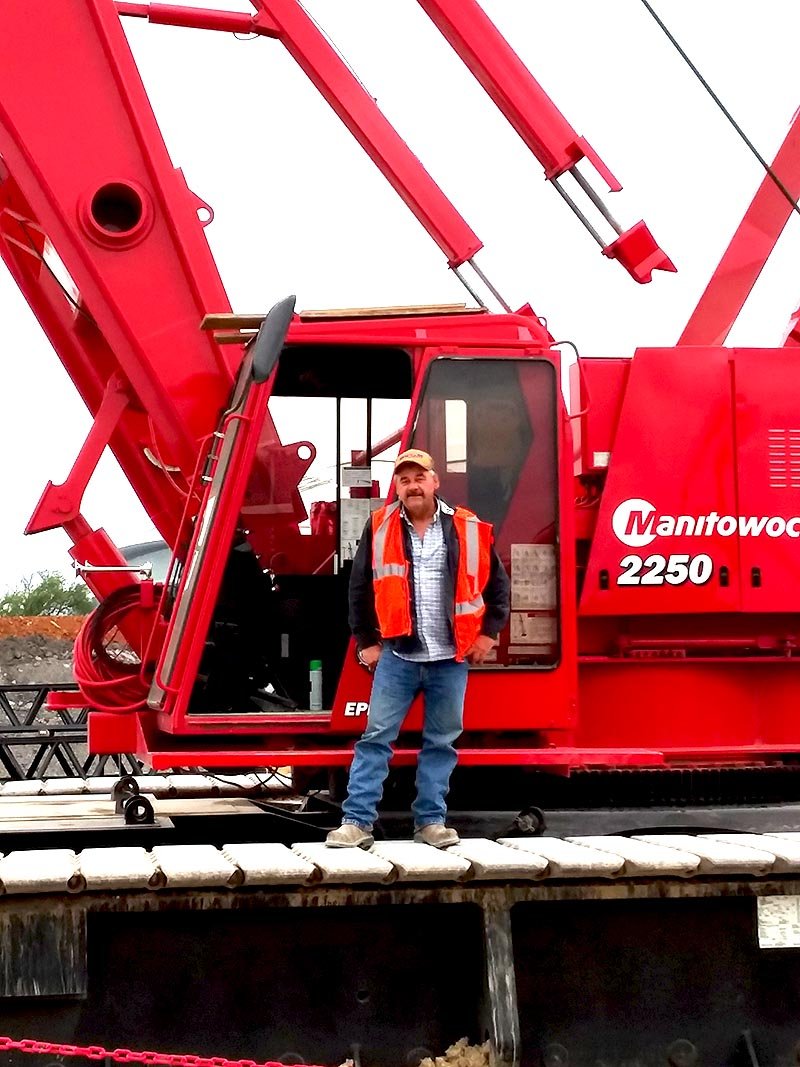
This is me on the track of the 2250 Manitowoc crane I ran at the Ranger’s Stadium, Fort Worth, Texas. Pretty big deal, right? I thought so — working on a stadium, operating at almost a non-stop schedule, on a job that was described as “Go-go-go…” Although it was sometimes stressful, I found it challenging and exciting. I was operating on the Northwest side, on top of everyone else that was down below, as you will see in the next picture. I was on the concrete side of the project, starting with off-load rebar trucks, to setting large cages and big drive-in like forms, sometimes weighing up to fifteen thousand pounds each.
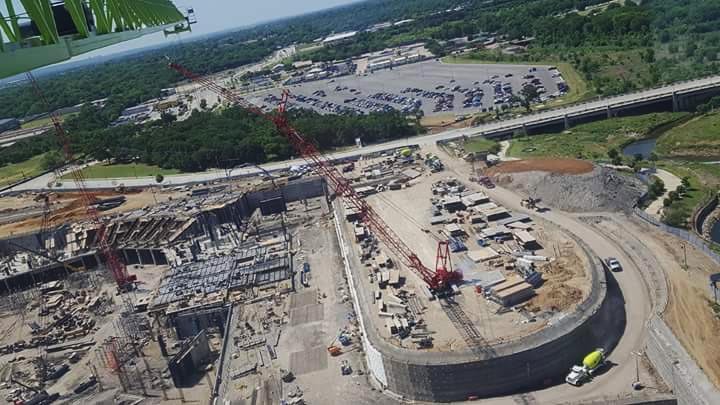
The red crane with the long boom length in this full view picture is the crane I ran.
As one might imagine, communication with the other crane operators was extremely important. Most of the time, others in the pit were within boom length. Slow and steady was the name of my game — with safety always paramount. While at this job, I won a drone from the safety meeting, based on the number of safety points I had received during the prior month.
Manhattan was the contractor on this job, but I worked for Maxim Crane. This was a ten-month job on the concrete side. I offered to go to the iron side, but Maxim had their own guys for that.
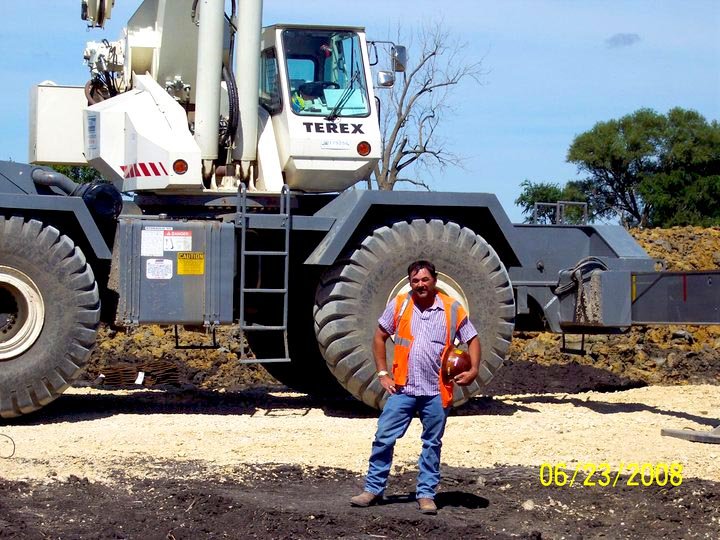
This was me on a wind farm job, working for Blattner Energy, civil side, RT.
I guess the concrete side of crane operations is my strong point, since I started my career in caisson foundations soon after getting out of the Army in 1988. I did not start out as a crane operator, but I was able to achieve certification in 2008. I moved up the ladder as a laborer, an operator (drills, concrete pumps, and other equipment), and finally twenty years later, I became an NCCCO Certified Operator. I took my Safe Crane Operations Training at Oklahoma College of Construction in Oklahoma City, Oklahoma.
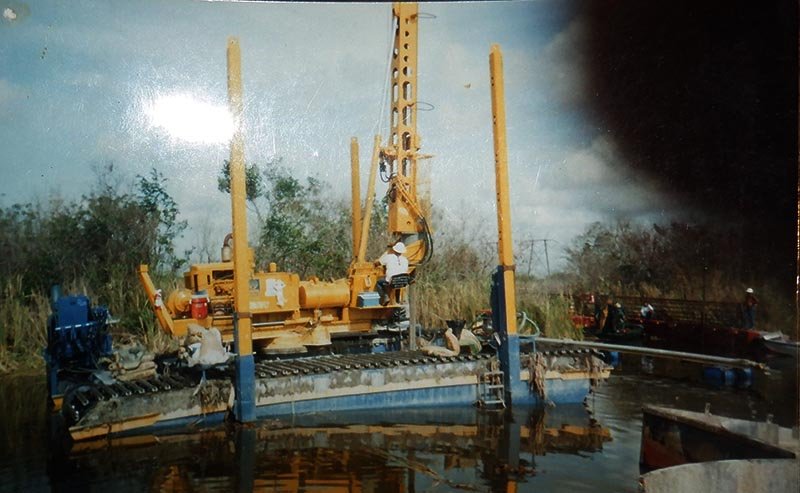
This was me back in 1993 running a drill rig, drilling foundations for a transmission line across the Everglades in South Florida.
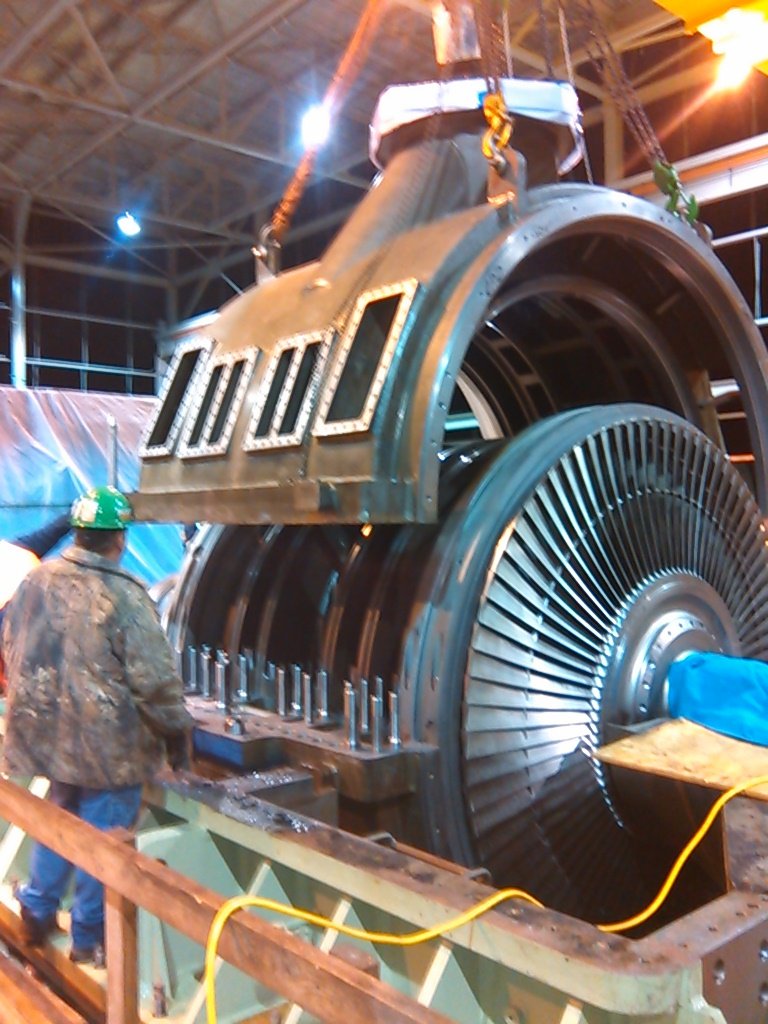
However, I hung a lot of steel during my years as you will see in my next few pictures below. I swung iron on several jobs, as well as demo work, erection side of wind farms, heavy wall pipes on gas plants, whatever. My skills as a crane operator are vast. I’m not an expert, but I do know how to work cranes.
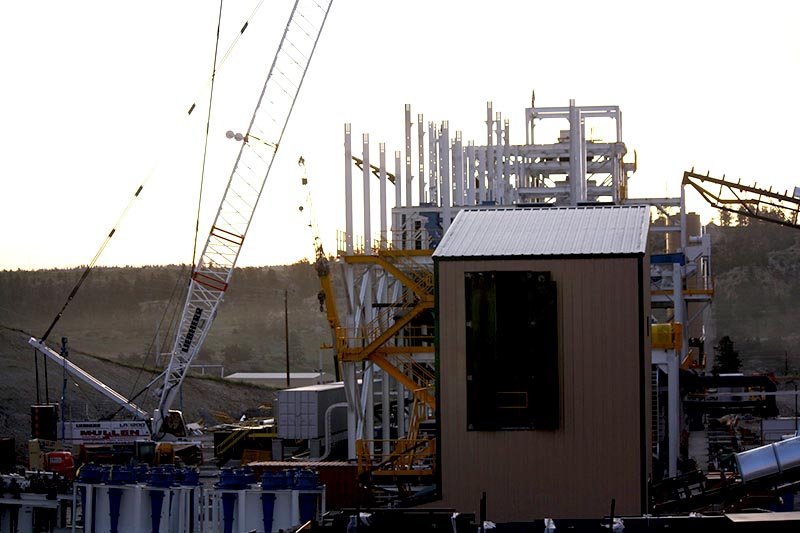
A coal washout plant outside Round Up, Montana, where I am running a 1400 Liebherr.
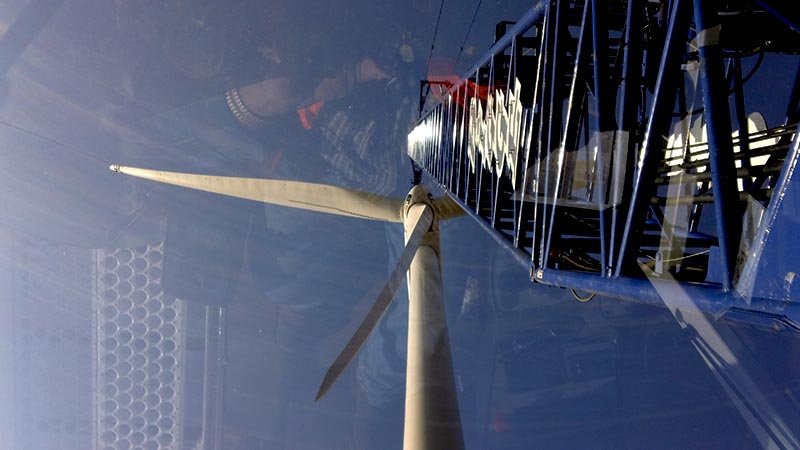
A little top-out action on a wind farm.
Interesting note: Coming down on a heavy load like that, first winch down to forty-five to fifty percent of the load weight, and then slowly boom down until completely off the load. Normally the hook will be above the center of the load.
The next few items will be all about pictures.
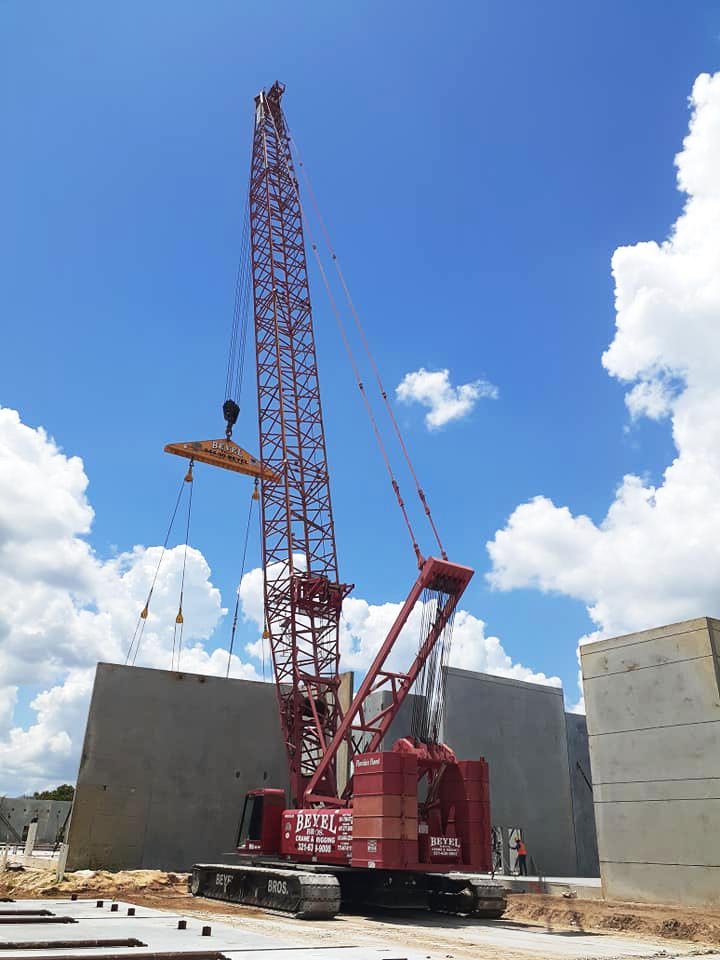
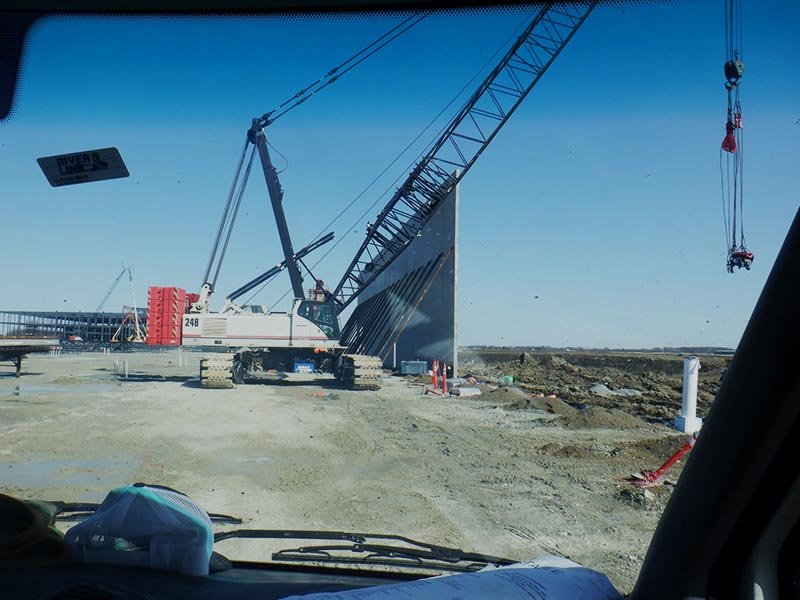
A little tilt-wall work.
The first tilt-wall picture was taken in Florida working for Beyel.
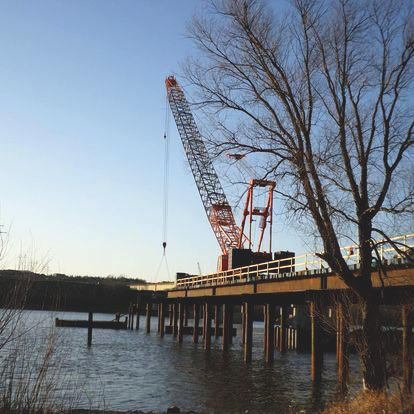
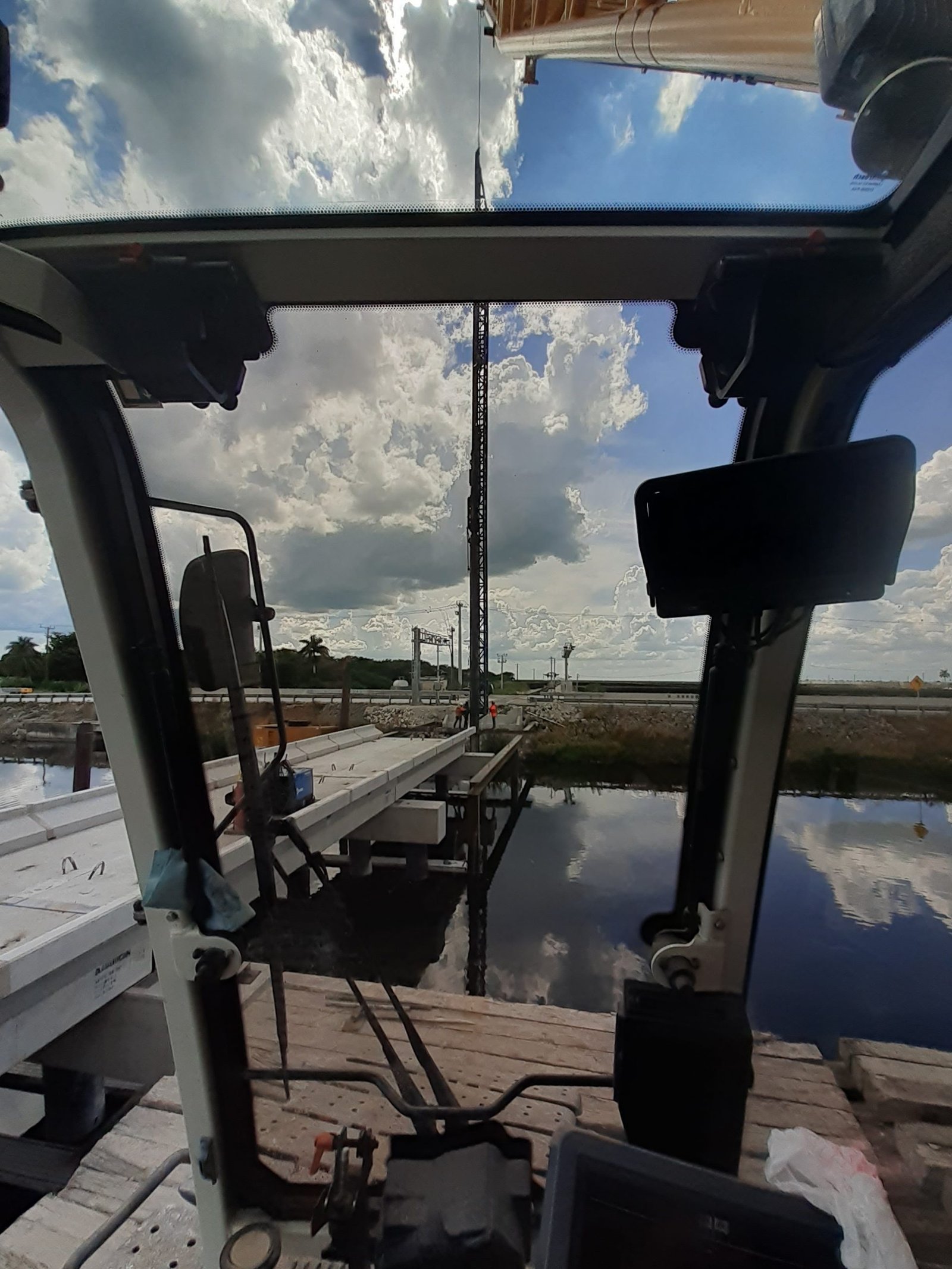
This picture is of a bridge job in North Dakota going across the Missouri River. I was running a 2250 Manitowoc crane. It had been a temporary bridge to work from while vibrating sheet pilings for coffer dams.
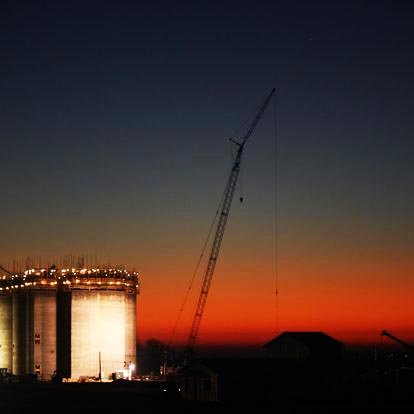
This is a picture of a slip-pour job I worked on in Springfield, Illinois.
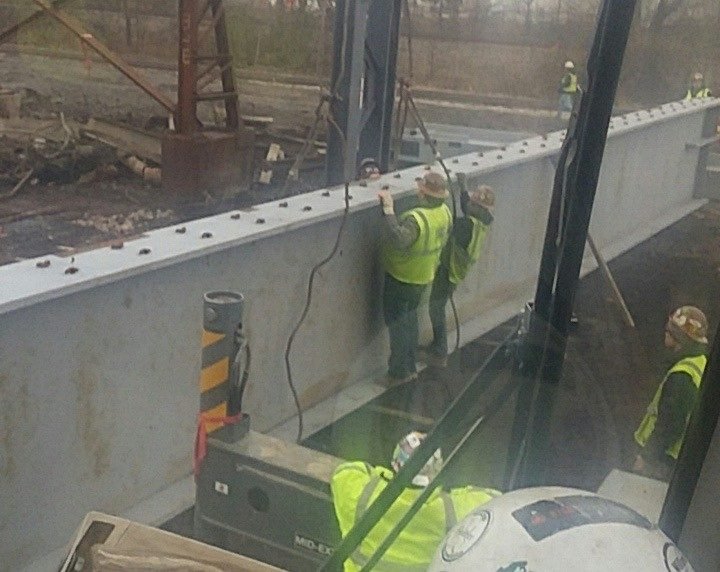
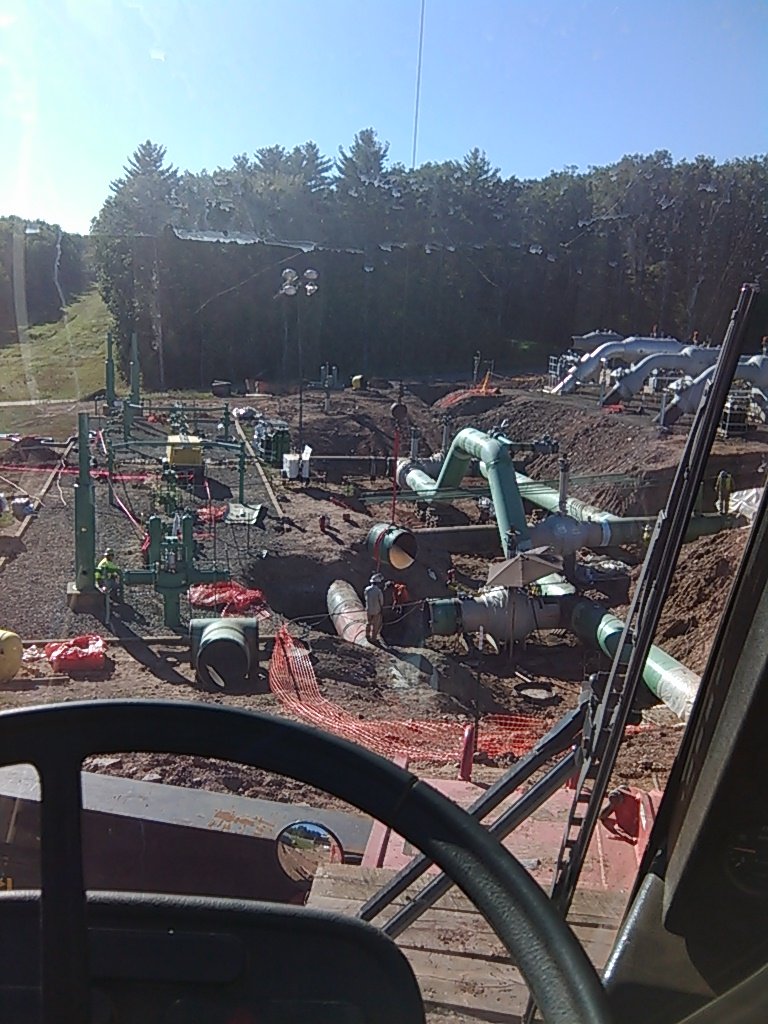
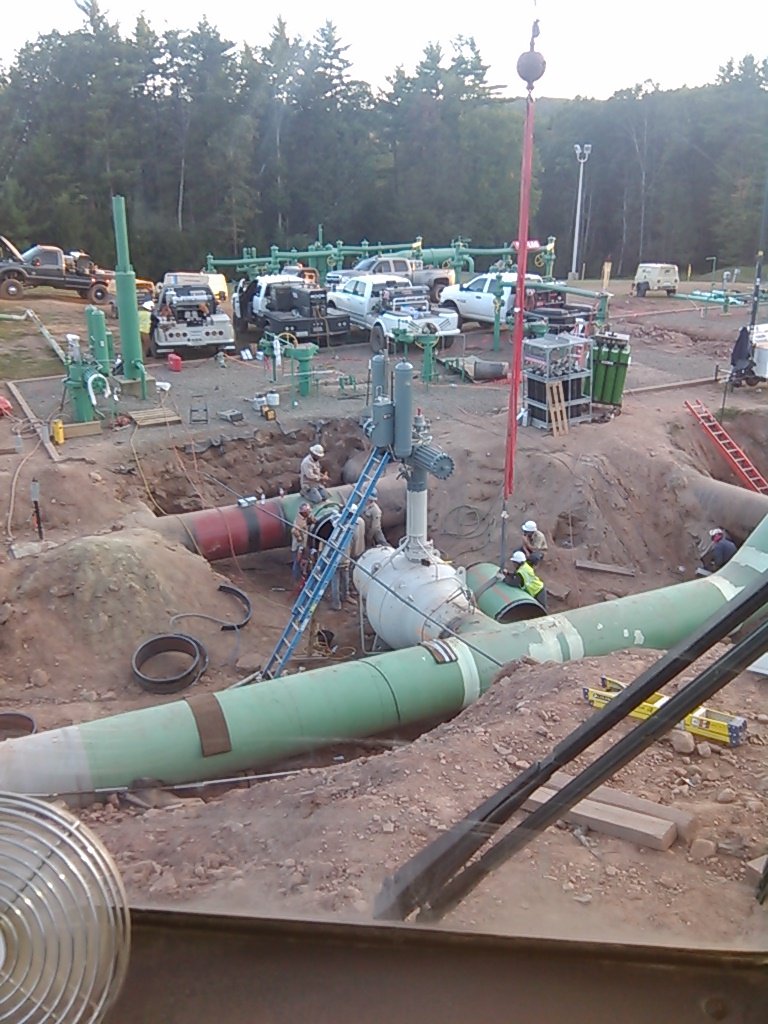
Compresser station in PA
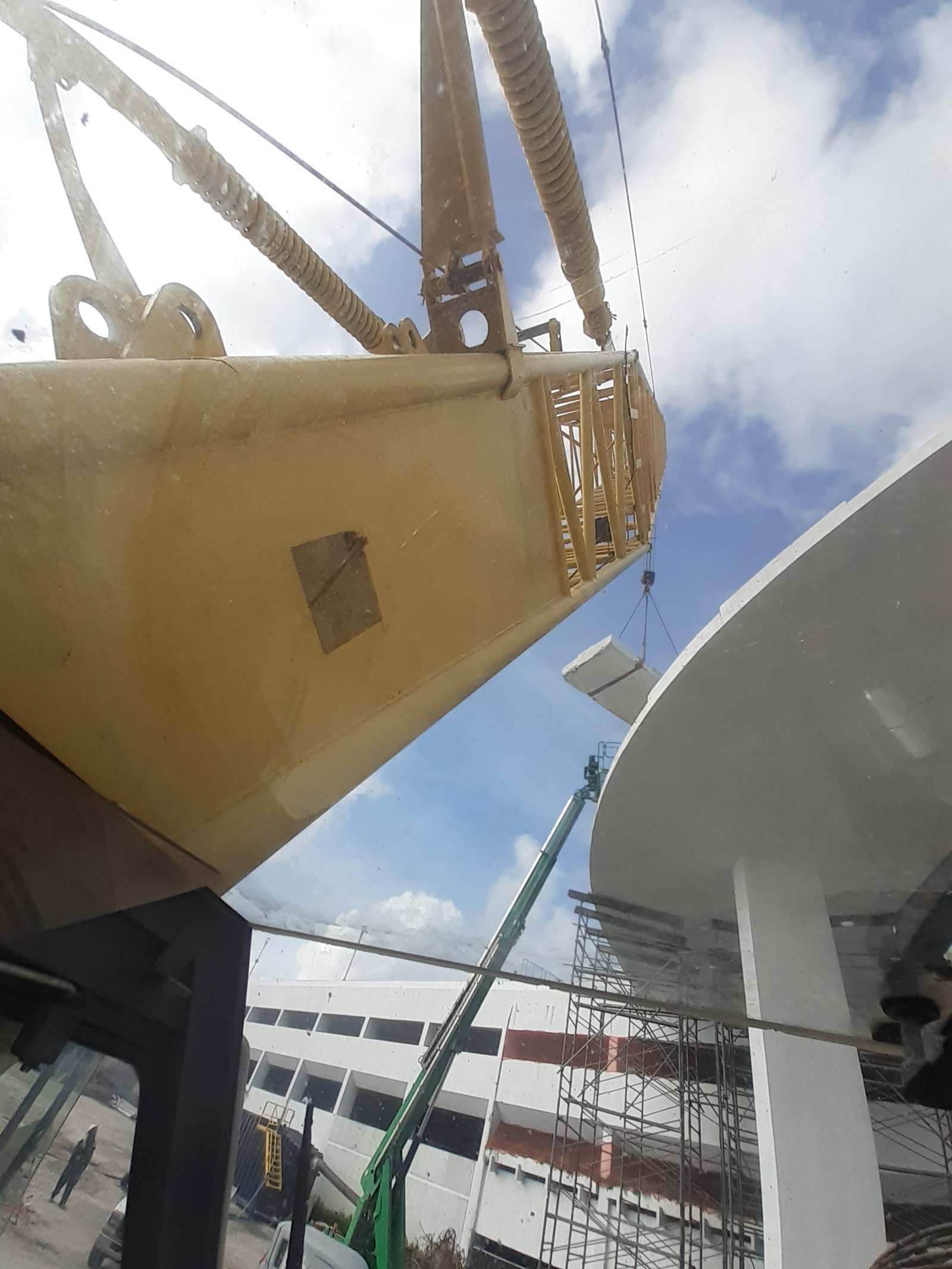
Goldman Sachs, North Miami, demolition of a parking deck
I hope you have enjoyed my presentation and learned a little more about my experiences, and why I am the best operator for your next job. I have a lot of experience and I am very conscience about safety issues.